BIO-ON
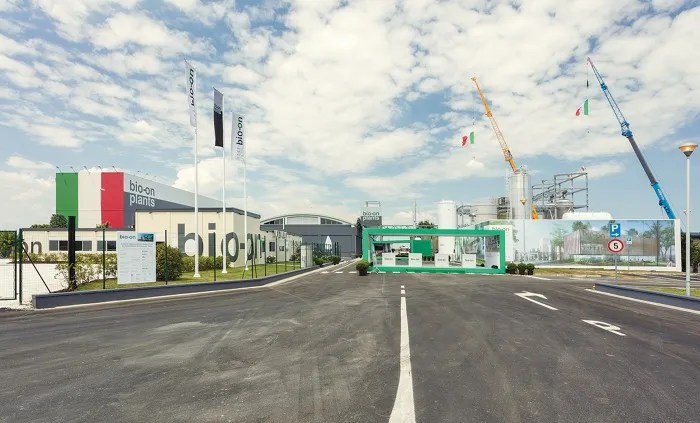
Bio-on was an Italian bioplastics (PHA) “unicorn” company, founded and led by Marco Astorri, often regarded as one of the prominent figures in the bioplastics sector.
However, the company later became the subject of major legal and financial controversy in Italy, which led to its dramatic downfall.
Here’s the Story.
A U.S.-based investment firm managed by Italian financiers carried out a short-selling operation against Bio‑On, at the time a leading Italian producer of PHA bioplastics.
Short selling is a financial strategy in which investors bet against a company’s share price, profiting if the value of the stock declines.
The investment firm published a report alleging that Bio-On was engaged in fraudulent activities. Following the publication of the report, the firm short sold Bio-On’s shares and reportedly earned millions from the decline in the company’s market value.
Italian investigative journalist Sigfrido Ranucci, known for his work with the TV programme Report, later reported that he had identified possible links between Novamont and the U.S. investment firm involved in the short-selling operation.
Ranucci was later the target of a car bomb attack. According to current investigations, the incident has not been linked to the ENI-related matters.
In Short
Let me summarize the situation as I understand it. According to the lawyer involved in the case, the accountant hired by hedge fund Quintessential Capital Management — the firm that published the report which severely damaged Bio-on and allegedly held short positions against it — also had ties to Novamont.
A coincidence? Perhaps. But personally, I find the overlap difficult to ignore.
Ironically, Novamont has also been associated with another controversial chapter in the bioplastics industry, involving the downfall of oxo bioplastics.
In my view, a major injustice was committed against Bio-on. In the European Union, the principle is that people and companies are presumed innocent until proven guilty. Yet years later, I am still waiting to see definitive proof that Bio-on knowingly acted fraudulently. In the meantime, the company was effectively taken away from its founders through actions by the Italian judicial system.
That raises an important question: how can such a situation unfold within the EU before final judgments are reached?
Because I believed Bio-on deserved the opportunity to present its side of the story, I allowed the company’s CEO to publish articles on my blog. Open debate matters, especially when reputations and livelihoods are at stake.
As a result, I received threatening legal letters for giving him that platform. I forwarded those letters to three judges in Italy.
At this stage, the issue goes beyond whether PHA bioplastics are environmentally friendly or commercially viable. It has become a matter of fundamental rights, human dignity, and fair treatment under the law.
My hope is that, in time, the Italian justice system will correct what many perceive as a profound injustice against Bio-on.
And perhaps there is a broader lesson here: business should be conducted with integrity. Companies and individuals should compete fairly, not through campaigns or schemes designed to destroy others.
More
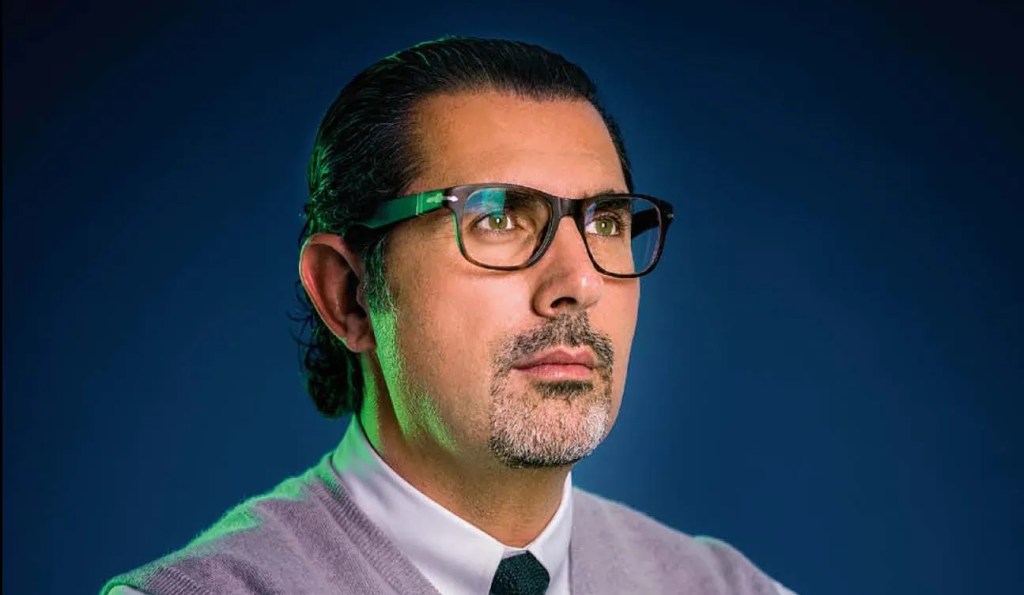
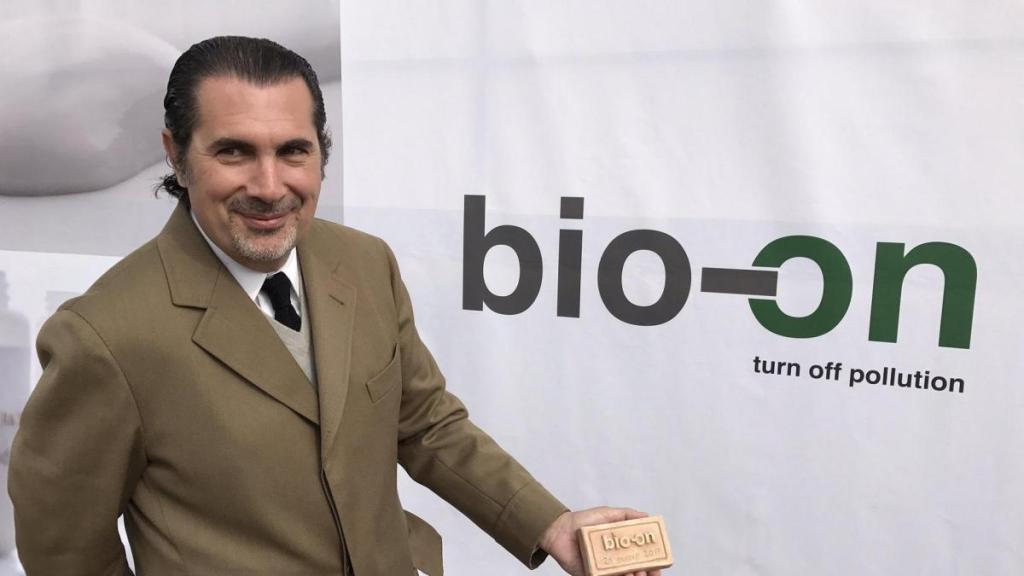
Marco Astorri
Marco Astorri was once seen as the golden boy of bioplastics. He had everything: groundbreaking technology, growing markets, and a strong corporate structure. Contracts were pouring in, and Bio-on seemed years ahead of the competition in the race to commercialize PHA bioplastics.
Many believed Astorri was destined to become the leading figure of the bioplastics revolution. But just as Bio-on reached its peak, the company was taken from him, bringing one of the sector’s most remarkable success stories to a dramatic end.
Marco Asterri had a column on my website: The full Marco Astorri column …
More
- https://www.astorri.eu/en/tv
- All articles related to Bio-on
- The Bio-on / Novamont Polemic in the Italian Press
- Journalist who exposed Bio-on conspiracy on TV targeted in Rome mafia bombing
- Rai Tre documentary on the anti Bio-on Conspiracy
- Bio-on Trial and Skeletons in the Novamont Closet
- Is a US Company Bullying The market?

